Transform Your Hair With Keratin Treatments: Benefits and What to Expect
Keratin treatments have risen in popularity as an effective solution for various hair concerns. These salon procedures aim to strengthen and smooth hair by infusing it with natural keratin. While many opt for this treatment for its ability to reduce frizz, understanding the application and maintenance process is essential. As people consider this option, they commonly inquire about the specific benefits and what the process entails. The journey begins with an assessment of individual hair needs and concerns.
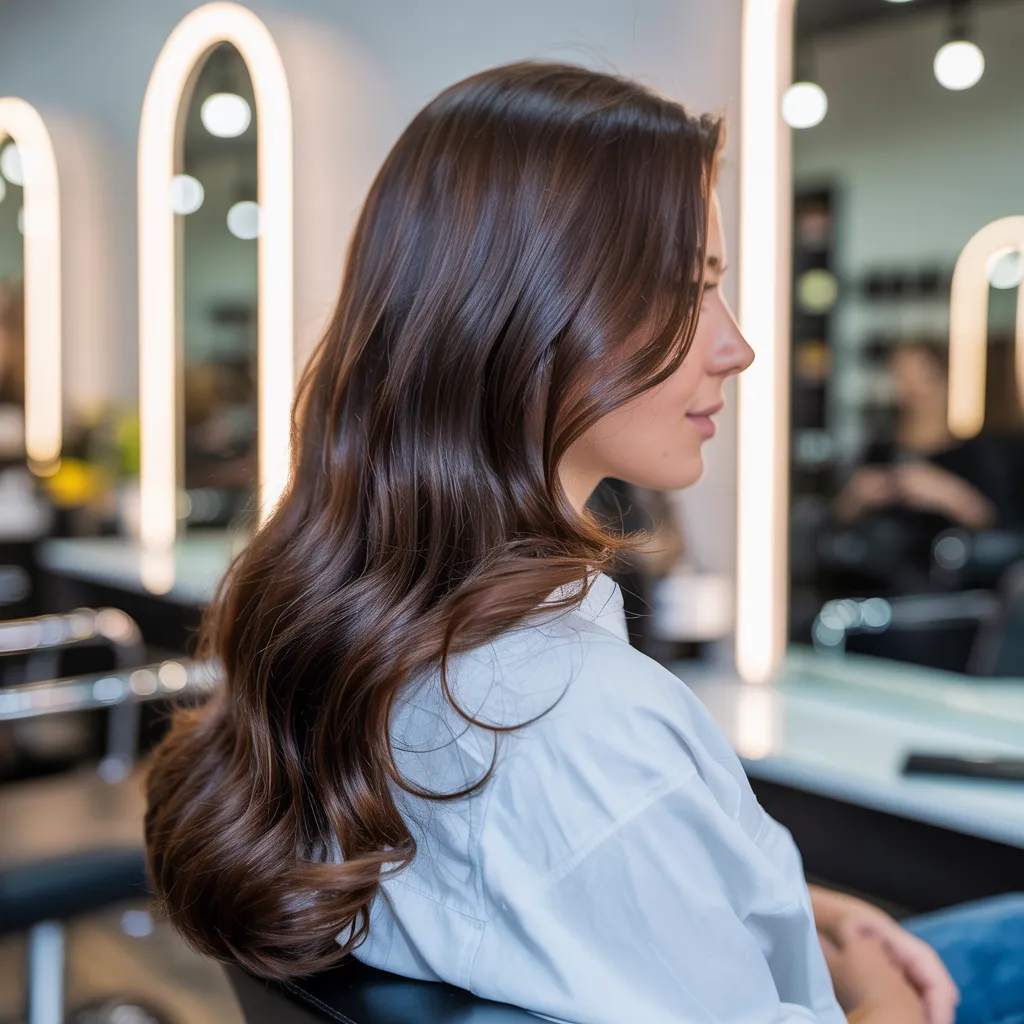
Understanding Keratin Treatments and How They Work
A keratin treatment is a professional salon service designed to strengthen and smooth hair. This treatment consists of applying a keratin-based formula to individual hair strands, get the full story which is then locked in using heat from a flat iron. Keratin, a natural protein found in hair, skin, and nails, works to repair and protect the hair's structure. During the process, the treatment penetrates the hair cuticle, filling in gaps and restoring its integrity.
Generally spanning multiple weeks to a couple of months, the effects of a keratin treatment can produce enhanced manageability, reduced frizz, and improved shine. Individuals frequently discover that their hair is simpler to manage and style. Even though the treatment proves helpful across a wide range of hair types, it is crucial for people to consult with a professional stylist to guarantee proper application and desired results. Overall, keratin treatments remain a popular option for those seeking smoother, healthier hair.
Who Is a Good Candidate for a Keratin Treatment?
People with naturally curly hair commonly pursue keratin treatments to handle their texture and cut down on styling time. Similarly, those prone to frizz can gain from the smoothing effects of keratin, leading to a more refined look. These treatments offer a viable solution for individuals hoping to enhance manageability and shine in their hair.
Types of Curly Hair
Thinking about which curl patterns can take advantage of a keratin treatment? Individuals with wavy to tightly coiled curls often find keratin treatments highly effective. These treatments can help smooth the hair cuticle, minimizing frizz and boosting manageability. For those with medium-density to thick curls, keratin can significantly cut down styling time while enhancing hair health. Additionally, individuals experiencing dryness or brittleness may notice revitalized shine and softness post-treatment. However, it is important for those with extremely fine curl patterns to consult a professional, as an overabundance of keratin can burden fragile hair. Ultimately, people aiming to manage wild curls or keep their waves defined may consider keratin treatments a worthwhile solution for attaining the look they desire.
People Prone to Frizz
People dealing with frizz commonly search for effective methods to control their unmanageable hair, and keratin treatments can be a beneficial choice. These solutions function by introducing keratin, a naturally occurring protein, into the hair shaft, calming the cuticle and eliminating frizz. Perfect for individuals with wavy or thick hair textures, keratin treatments work to deliver a refined look while boosting overall hair manageability.
Moreover, they can considerably decrease styling time, streamlining everyday routines. While results can vary based on hair type and treatment specifics, many experience smoother, more manageable hair for weeks to months. People looking into this treatment ought to consult with a professional stylist to explore their individual needs and desired results, so that the ideal treatment plan can be customized to their hair's specific traits.
Leading Benefits of Keratin Treatments for Frizzy Hair
Keratin treatments offer a range of benefits for those struggling with frizzy hair. Most notably, these treatments enrich the hair with keratin, a natural protein that helps to strengthen and soften the hair shaft. This process significantly reduces frizz, creating a sleeker and easier-to-manage style.
Additionally, keratin treatments improve luster and foster a healthier look, making hair look radiant and healthy. They also result in reduced styling time, as the hair becomes easier to style and manage.
Moreover, these products offer resistance to atmospheric moisture, one of the main triggers of unwanted frizz, by forming a protective barrier that blocks moisture.
Additionally, keratin treatments can elevate overall hair texture, making it softer and more resilient. For those with unruly hair, these improvements can lead to a significant change, increasing confidence while making daily styling routines easier.
What Happens at Your Keratin Treatment Appointment
What takes place during a keratin treatment session is often a point of curiosity for individuals considering this hair care option. At the start, the stylist will evaluate the client's hair type and condition to identify the right keratin formula. After a thorough consultation, the client's hair is treated with a clarifying shampoo to remove buildup.
Next, the keratin treatment is applied section by section, guaranteeing uniform coverage. The hair professional will then apply a flat iron to lock the keratin into the hair, which is essential for achieving optimal smoothness and shine. This procedure can take several hours, based on the length and thickness of the hair.
During the appointment, guests can anticipate a soothing setting, often with gentle music. It is vital for clients to communicate any concerns with their hair specialist for the best results. By the close of the visit, clients can leave with a stunning new hairstyle, excited to show off their fresh style.
Post-Treatment Care: How to Keep Your Hair Smooth
After a keratin treatment, adequate aftercare is crucial for keeping hair smooth and healthy. It is advisable to hold off on washing your hair too soon, opt for sulfate-free hair products, and minimize the use of heat tools to help the treatment last longer. Following these guidelines can help sustain the desired sleek and polished look.
Avoid Washing Immediately
To maintain the benefits of a keratin hair treatment, one critical requirement is allowing the hair to settle without washing it too soon. This early phase, typically lasting 48 to 72 hours, is vital for the keratin to adhere properly with the hair strands. Washing before this period ends can interfere with bonding, undermining the treatment's lasting power and results. During this time, individuals should avoid moisture, including rain and humidity, as these can also interfere with the treatment. It is advisable to refrain from styling with heat or tying the hair back tightly, which could leave lasting impressions. By honoring this crucial timeframe, individuals can be confident their hair remains silky, glossy, and effortless to maintain for an extended length of time.
Choose Sulfate-Free Products
After the initial waiting period, preserving the advantages of a keratin hair treatment requires deliberate selection of products. A key consideration is choosing sulfate-free products. Sulfates, which are frequently present in many shampoos and conditioners, can remove the hair's natural oils along with the keratin deposited during treatment. This can lead to frizz and diminish the smoothness achieved. Opting for sulfate-free alternatives helps preserve the treatment's effects, ensuring hair stays hydrated and manageable. Additionally, these products are gentler on the scalp, reducing irritation. When shopping for a shampoo or conditioner, check for labels that specifically read "sulfate-free". This easy modification can considerably improve the durability of a keratin treatment, guaranteeing that hair stays smooth and lustrous for a longer time.
Minimize Heat Styling
Limiting heat styling is essential for protecting the effects of a keratin hair treatment. Frequent use of heat tools, such as flat irons and curling wands, can compromise the treatment's effectiveness and longevity. As an alternative, individuals are advised to utilize air drying and heat-free styling methods as much as possible. When heat styling is required, using a heat protectant spray can help shield hair from damage, reducing the risk of frizz and breakage. Additionally, opting for minimal heat configurations can further safeguard the hair's integrity. By monitoring heat usage, individuals can maximize the smooth, sleek results of their keratin treatment, guaranteeing that their hair remains healthy and vibrant for a greater duration.
How Long Do Keratin Treatments Last?
How long do keratin treatments actually last? The duration of keratin treatments depends on a number of factors, such as hair type, the particular formula applied, and post-treatment care. Typically, the effects can last between three and six months. Those with coarser or frizz-prone hair may find their treatments lasting toward the higher end of this timeframe.
Proper aftercare is essential in maintaining the effects of the treatment. Steering clear of sulfates, utilizing suggested shampoos, and reducing heat styling can significantly prolong the duration of the treatment. Additionally, the frequency of hair washing and exposure to environmental factors, such as humidity, can affect durability.
Consistent maintenance visits can also help prolong the treatment's benefits. In the end, while keratin procedures offer a significant enhancement in the texture and manageability of hair, their longevity will depend on personal habits and care practices.
Dispelling Common Myths About Keratin Treatments
Even with the growing popularity and advantages of keratin treatments, several false beliefs about their nature and effects remain widespread. One widespread myth suggests that every keratin treatment is filled with harmful substances, with formaldehyde being the primary concern. Though some products do feature this chemical, many brands now offer formaldehyde-free options that deliver similar results without the associated risks.
Another common misconception is that keratin treatments irreversibly modify hair's natural structure. In fact, these treatments offer short-term smoothing benefits that commonly last several months and demand periodic care.
Furthermore, it is often thought keratin treatments are meant only for certain hair types. Despite this, these treatments prove beneficial for various hair textures, increasing manageability and luster no matter the natural curl or wave pattern.
Lastly, most assume that keratin procedures completely eliminate frizz. Although they significantly reduce frizz, they do not make hair completely frizz-proof, most notably in high-humidity environments. Understanding these facts can assist people in making educated choices about their hair care.
Answers to Common Questions
Can I Color My Hair Before a Keratin Treatment?
Dyeing hair prior to a keratin treatment is typically not advised. The chemicals in hair dye can interfere with the treatment's effectiveness, potentially leading to less desirable results. Scheduling these treatments at different times is the best approach for ideal outcomes.
Is Keratin Treatment Suitable for Every Hair Type?
Keratin treatments are commonly considered safe for most hair types, however outcomes can differ from person to person. Individuals with extremely fine or damaged hair should consult a professional for personalized advice to avoid potential adverse effects.
How Often Should I Get a Keratin Treatment?
Specialists advise getting keratin treatments every three to six months, depending on individual hair type and desired results. Excessive treatments could cause product buildup or hair damage, so keeping treatments moderate is essential for healthy hair.
Do Keratin Treatments Harm Your Hair?
Keratin treatments tend to be harmless to hair when administered correctly; that said, overuse or improper use may cause dryness or hair breakage. Following aftercare instructions is crucial to keeping hair healthy after the treatment.
Is It Safe to Swim Following a Keratin Treatment?
Going swimming directly after a keratin treatment should be avoided. A period of 72 hours is required for the treatment to set correctly, and exposure to chlorinated or salt water can reduce its effectiveness.